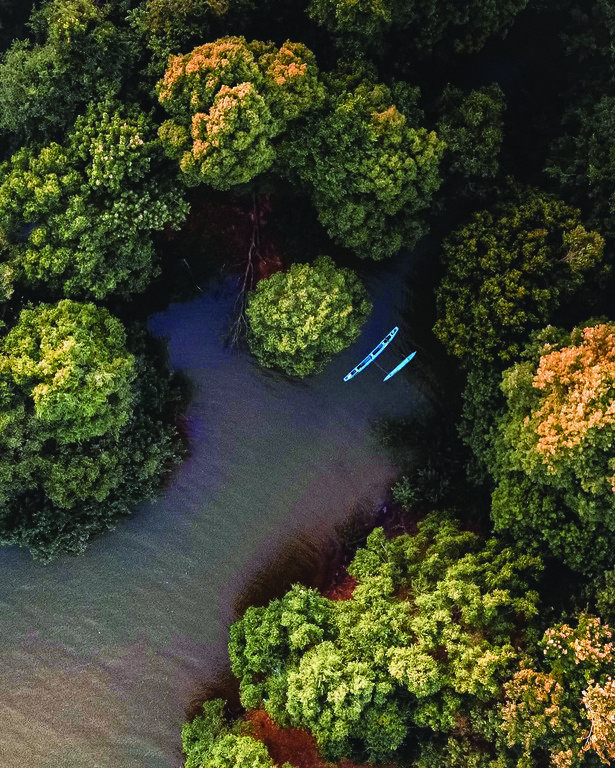

Sri Lanka has transcended beyond traditional hospitality to foster a world-class model for regenerative travel. By blending the island’s architectural heritage with cutting-edge environmental science, luxury tourism here now serves as a guardian of the landscape rather than a consumer of it.
The Architectural Innovative Approach to Harmonise with Nature
The modern luxury aesthetic in Sri Lanka is defined by "invisible architecture." Instead of imposing massive structures on the land, premier retreats are designed to integrate seamlessly into their surroundings, avoiding wildlife hubs.
Moreover, many high-end escapes have abandoned energy-heavy HVAC systems in favour of passive cooling. With the intention of utilizing the island’s natural topography and mountain breezes, these structures maintain a perfect temperature through open-air designs and "living" green roofs.
Furthermore, elevated walkways and stilted villas have been incorporated to aid in preserving natural migratory paths. Endemic creatures such as elephants, leopards, and more can move freely beneath and around specific areas, maintaining the ecological balance of the region.
Reviving Wastelands into Wetlands
One of the most ambitious aspects of Sri Lankan eco-tourism is the transformation of degraded land back into thriving ecosystems.
Developers are increasingly repairing abandoned or unproductive agricultural land and rewilding it. Through the integration of man-made lakes and marshlands, these properties have successfully attracted hundreds of species of birds and rare primates, such as the Grey Slender Loris, back to areas where they had previously disappeared from.
Most significantly, luxury estates often act as "buffer zones" for national parks. With the inclusion of high-density forest cover within their private boundaries, these resorts provide a secondary sanctuary for wildlife, effectively expanding the protected habitats of the island.