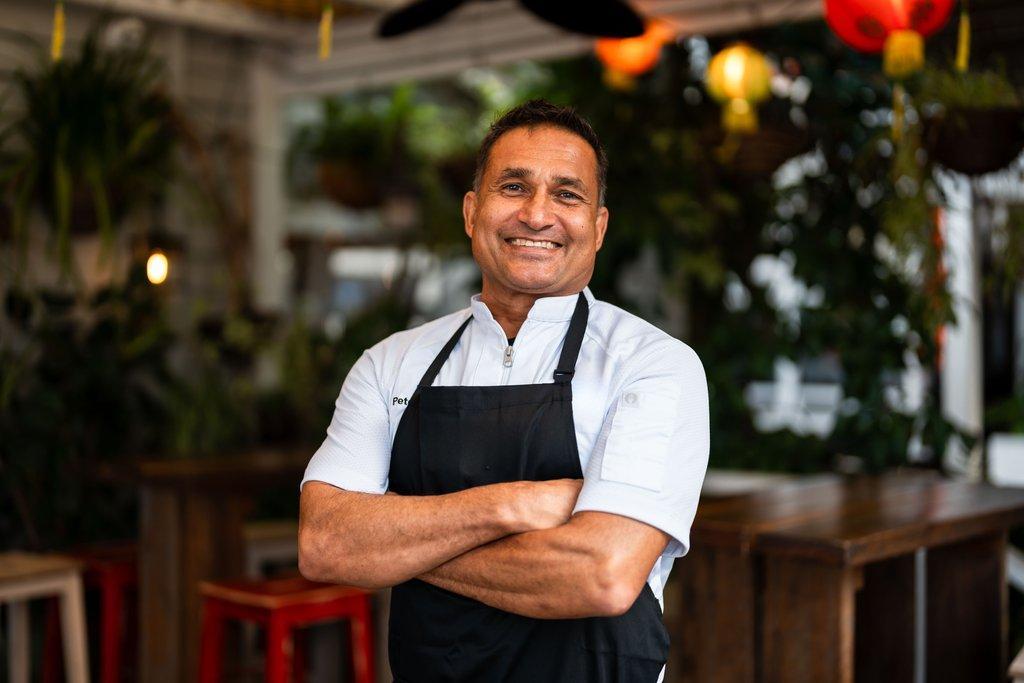

How has your path to becoming a celebrated chef intertwined with your passion for bringing people to Sri Lanka, and how have those journeys allow visitors to experience the island through your eyes and culinary expertise?
Sri Lanka is my ancestral home, often misunderstood and with a long history of disruption due to various issues we are all too familiar with. My path to becoming a chef actually had nothing to do with Sri Lanka, except for the connection of seeing the passion for preparing food in our home kitchen every day. It was my dad who saw this and told me I should follow cooking as a career. Many years later, after my career was well underway, I began to think about linking the two and bringing them together. The tours were a way of showing people how beautiful the country actually is, and cooking during a tour is the best way to immerse people in a country. I actually love it, and the more off the beaten track, the better. There are so many amazing experiences to be found, and I am constantly looking for those. Whenever we create a new experience, another operation will copy it. I am happy in a way because it will enhance that community. Then, with my team in Sri Lanka at Sargia Holidays, we look for new experiences.
Sri Lanka is renowned for its rich culinary heritage and distinctive spices. From your perspective, what unique value do these flavors bring to the global dining table, and how do they shape the identity of Sri Lankan cuisine?
Sri Lankan spices, like cinnamon, were once valued as being greater than gold. The world would be quite bland without Sri Lankan spices. Sri Lankan spices are used around the world as a staple, so they are already present on the global menu. What I have been trying to do is to star them, to highlight their unique flavor and the way in which they are used. Sri Lankan cuisine is utterly unique; it is not Indian or any other South Asian cuisine. It has taken a long time to get people to understand this. Now, I am happy to say that Sri Lankan cuisine sits in a category of its own and has been awarded all the global awards for fine food. So, congratulations to all the chefs out there who have put their spin on Sri Lankan cuisine and been recognized at the highest levels.
If you were to extend an invitation to international visitors, how would you describe the experience of tasting Sri Lankan cuisine not just as food, but as a gateway into the island’s culture, traditions, and hospitality?
Sri Lankan food is not just food; it is a complete package. The hospitality in Sri Lanka is second to none, with happy, smiling people willing to help. The scenery is stunning, with great contrasts from the ocean to the hills, amazing wildlife, and stunning beauty. From surfing to hiking through the tea gardens and more, the history dates back thousands of years, and an indigenous culture has been dated to 45,000 years. Through this, food has evolved, from the original people of the forest who foraged to the modern people who cooked incredible and varied curries. The many types of tropical fruit, abundant spices, and many varieties of rice and pulses make it a unique experience. Explaining the food and culture to someone is easy; it's a vegetarian's dream, healthy, and packed full of medicine. The cuisine varies throughout the country depending upon the availability of produce. So, every mouthful is a journey through the land you stand on. Proud, regional, and unique, packed with health and flavor.
Peter Kuruvita Tours for your indulgence: https://www.peterkuruvita.com/sri-lanka-food-tours/