
International Perspectives
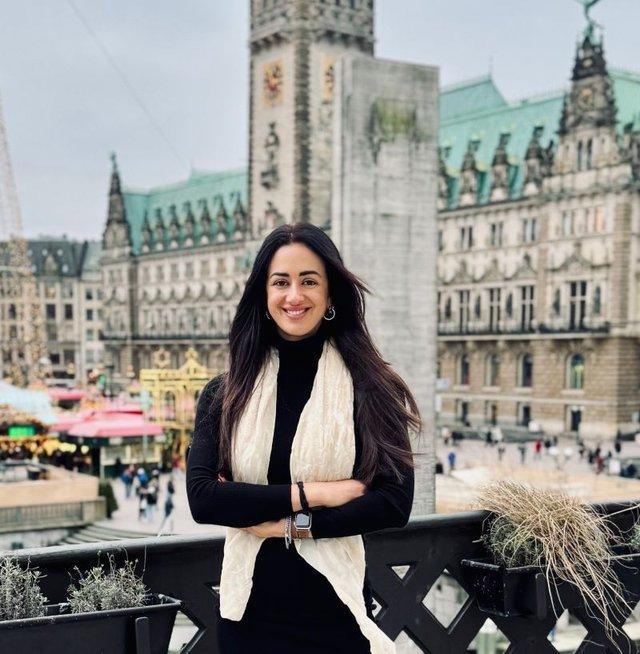
Featuring Federica Maiorano
A powerhouse in the Monaco business circuit, Federica Maiorano isn’t just part of the maritime industry — she’s actively rewriting its future; the voice the industry listens to when it comes to what’s next.During her visit to Sri Lanka, Maiorano experienced the island through both a personal and professional lens, where she shared a brief guide of her journey around the island.
Every entrepreneur has a 'why' behind their journey. Could you share the story of your path as an entrepreneur and how your travels around Sri Lanka provided you with the necessary space to unwind and find inspiration along the way?
“Before becoming an entrepreneur, I spent years working as a commercial broker in shipping. The role was fast, operational, and very close to the realities of global trade — negotiating deals, managing uncertainty, and working with teams making complex decisions every day.
Over time, I noticed the same challenges repeating themselves: fragmented data, limited visibility, and an industry often relying on experience because better tools simply weren’t available. The idea to build something came gradually. I wasn’t looking to step away from shipping, but to contribute to improving how decisions are made within it.
I moved into entrepreneurship in 2019. By coincidence, that was also the year I visited Sri Lanka, just before COVID. The trip wasn’t the reason for the shift, but it created a pause at the right moment. Stepping away from the usual pace allowed me to reflect more honestly on direction, risk, and what kind of work felt meaningful long term.
Spending time near the port in Colombo and walking through places like Galle offered a quiet reminder that shipping is ultimately about connection — not just transactions. That distance from daily pressure indirectly helped me consider deeper changes and commit to building rather than only operating.
Since then, my approach to entrepreneurship has stayed practical: stay close to users, test ideas quickly, and focus on solutions that genuinely improve everyday workflows.”
2. Based on your personal experiences and professional observations, how do you envision the future of Sri Lanka within the global conscious tourism market, and what role do you see the island playing in that evolution?
“Having seen Sri Lanka just before the global pause of the pandemic, it felt like a destination with the rare opportunity to shape its tourism path deliberately rather than reactively.
Travel is shifting. More people are looking for places that feel real — where culture, nature, and local communities remain central to the experience. Sri Lanka already has those foundations. Its scale allows travelers to move between coastline, wildlife, tea country, and historic towns without losing a sense of place.
From a professional perspective in shipping, I also see how Sri Lanka’s geographic position matters. The island sits along major maritime routes, meaning it is naturally connected to global movement. That creates an interesting dynamic: a country deeply linked to trade while offering visitors stillness and depth.
If development continues to prioritise sustainability, local ownership, and thoughtful infrastructure, Sri Lanka can become an example of balanced growth. Not competing on volume, but on quality and authenticity.
In that way, the island’s role in conscious tourism could be simple but important — showing that a destination can remain globally connected while protecting its identity.”